


Bell's palsy is a condition characterized by the sudden onset of weakness or paralysis affecting the muscles on one side of the face. It occurs when the facial nerve becomes inflamed or swollen, often following a viral infection. Most individuals begin to recover within several weeks, with many regaining normal facial functions within three to six months.
Common Symptoms
Symptoms typically develop rapidly and reach their peak within 48 to 72 hours. The severity can range from mild weakness to complete facial paralysis on one side of the face.
Common symptoms include:

Sudden weakness or paralysis affecting one side of the face
Drooping of the eyelid or corner of the mouth
Difficulty closing the eye on the affected side, resulting in dryness and irritation
Drooling and difficulty eating or drinking
Pain around the jaw, face, or behind the ear
Changes in taste sensation
Altered tear and saliva production
Increased sensitivity to sound in the affected ear

Conventional Treatment Approaches
There is currently no universally accepted cure for Bell's palsy. Treatment is primarily directed toward reducing inflammation, protecting the eye, and supporting nerve recovery.
Common recommendations include:
Corticosteroids
Medications such as prednisone are most effective when initiated within 72 hours of symptom onset. These medications help reduce inflammation surrounding the facial nerve and improve recovery outcomes.
Antiviral Medications
Antiviral medications may be prescribed in conjunction with corticosteroids, particularly in more severe cases. Their overall effectiveness remains a topic of ongoing research.
Eye Protection
Because the affected eye may not close completely, proper eye care is essential. Lubricating eye drops, nighttime ointments, and protective eye patches may be recommended to prevent dryness, corneal injury, and vision complications.
Causes and Risk Factors
The exact cause of Bell's palsy remains uncertain; however, it is widely believed to result from an inflammatory response involving the facial nerve. Viral infections, particularly those associated with the herpes simplex virus (the virus responsible for cold sores), have been implicated as potential triggers.
As the facial nerve passes through a narrow bony canal within the skull, swelling can compress the nerve and interfere with its normal function, resulting in facial weakness or paralysis.
Individuals may be at increased risk if they:
Are pregnant, particularly during the third trimester
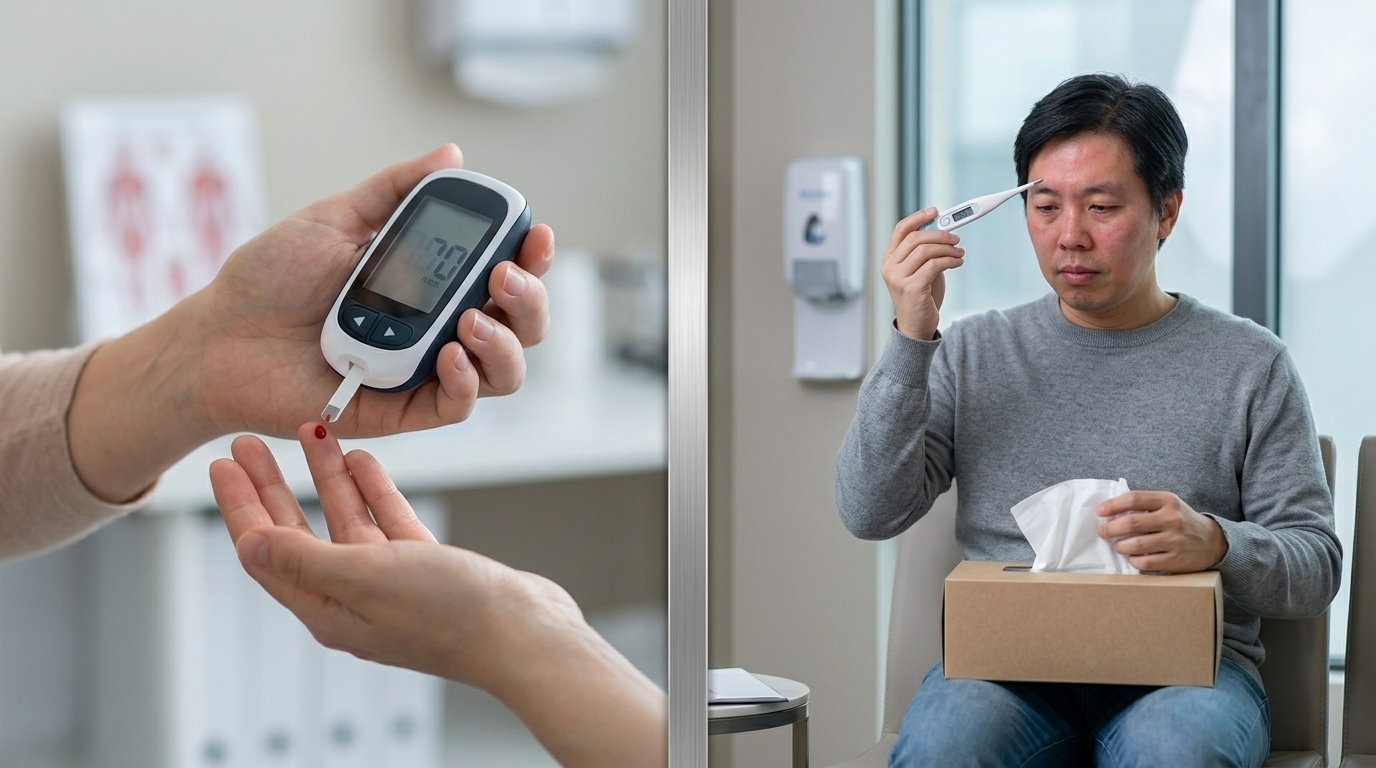
Have diabetes
Are recovering from an upper respiratory infection, such as a cold or influenza
Have a history of recurrent viral infections
When Symptoms Persist
Although more than 80% of patients experience substantial recovery within six months, a percentage of individuals continue to experience long-term symptoms, including facial weakness, muscle tightness, asymmetry, or impaired facial function.
For patients with persistent or severe dysfunction, additional interventions are considered, including:
Facial nerve reconstruction procedures
Nerve grafting techniques
Muscle transfer procedures
Other specialized facial reanimation surgeries
The Importance of Comprehensive Evaluation
One area that is often overlooked during the evaluation process is the condition of the temporomandibular joints (TMJ) and surrounding craniofacial structures.
In our clinical experience, many patients with persistent Bell's palsy symptoms also present with significant TMJ dysfunction and chronic degeneration of the jaw joint on the affected side. Comprehensive evaluation of the jaw joints and surrounding anatomy will provide valuable information when symptoms fail to resolve as expected.
Our Treatment Approach
Our approach focuses on identifying and addressing underlying structural dysfunction within the jaw joints and surrounding craniofacial system. Through comprehensive diagnostic evaluation and individualized treatment planning, many patients experience significant improvement in facial function, comfort, and quality of life.
If you have been diagnosed with Bell's palsy and continue to experience symptoms despite conventional treatment, a thorough evaluation will help identify contributing factors that have not previously been addressed.
Hollie


David
Jennifer
Joanne
Kaye
Stop Letting Pain Hold You Back
Start your personalized treatment today and take the first step toward lasting relief.
Your Health Is Our Priority
Relieve TMJ and other head pain symptoms with custom treatments tailored to your specific problem.
 Request a Consultation
 Contact Us