


Sleep Apnea Concerns
What happens if you don’t sleep well? What are the eventual health concerns? Missing out on the recommended seven to nine hours of shut-eye does more than just make you feel tired and groggy. The long-term effects of sleep deprivation can not only drain your mental abilities, but put your physical health at real risk. Without enough sleep, your brain and body systems can’t function normally, and will dramatically lower your quality of life overtime.

Snoring
Excessive Daytime Sleepiness
Hypertension (High Blood Pressure)
Strokes or Brain Damage
Heart Attacks
Acid Reflux (GERD - Gastro-esophageal Reflux Disease)
Morning Headaches
Diabetes
Sexual Dysfunction
Social Problems
Basic Info About Obstructive Sleep Apnea (OSA)
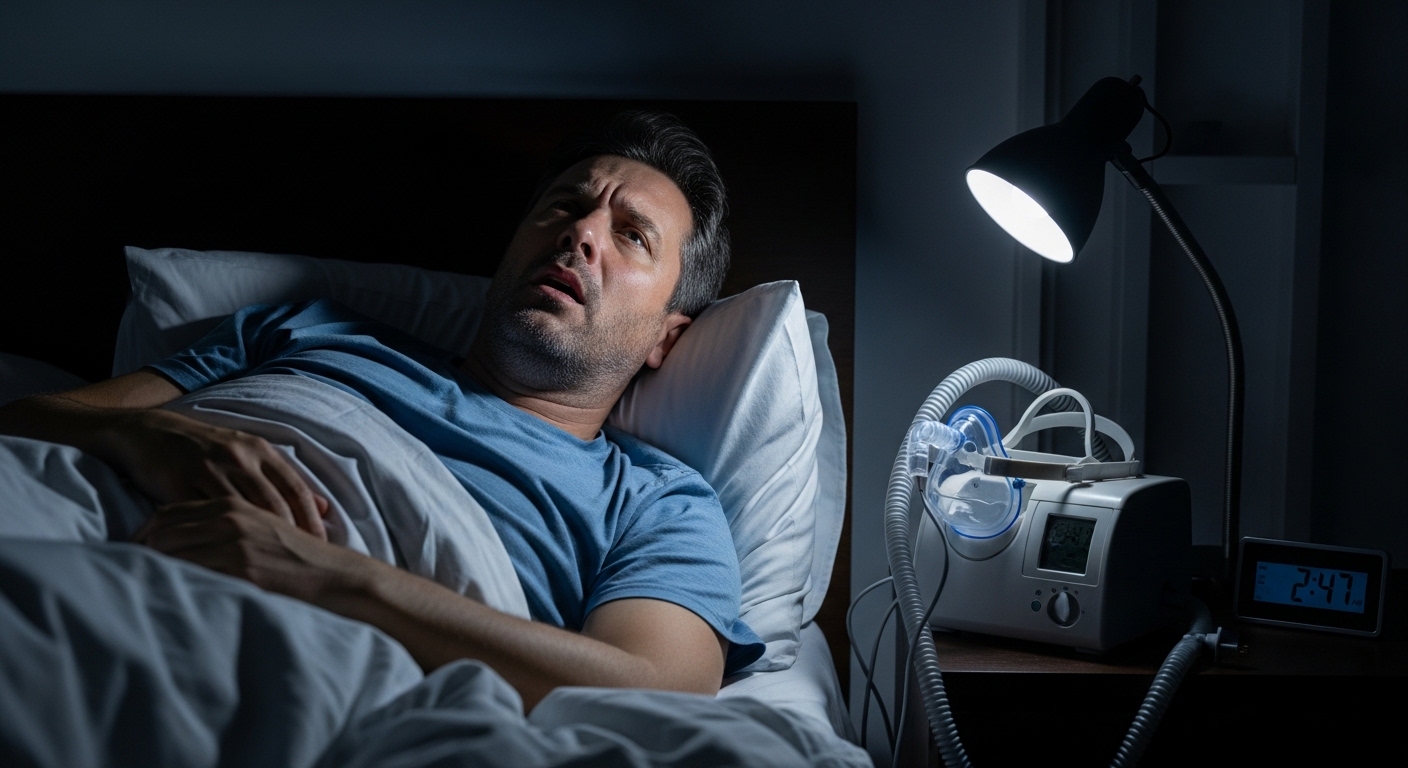
Untreated Obstructive Sleep Apnea is a serious medical condition that can significantly impact long-term health, especially when severe and left unmanaged. Studies show it is associated with increased risks of cardiovascular disease, stroke, metabolic issues, and reduced quality of life. During sleep, individuals with OSA experience repeated partial or complete collapse of the upper airway, leading to drops in oxygen levels (hypoxia) and brief awakenings. In some cases, oxygen saturation can fall substantially, though the degree varies widely between individuals and severity levels. Snoring is a common symptom of OSA, but not everyone who snores has sleep apnea. Snoring occurs when airflow causes vibration of soft tissues in a narrowed airway. In OSA, that airway narrowing is more severe and leads to breathing interruptions. It is also important to understand that OSA severity can change over time. Factors such as weight gain, alcohol use, aging, nasal obstruction, and changes in airway anatomy can worsen airway collapse and convert simple snoring into clinically significant sleep apnea. Loud snoring can be socially disruptive and is often a sign that airflow resistance is present during sleep, but diagnosis of OSA requires formal evaluation, typically through a sleep study rather than symptoms alone. Because OSA affects oxygen delivery, sleep quality, and cardiovascular strain, early identification and treatment are important for protecting long-term health and daily functioning.
Do You Snore or Wake Up Tired? It Could Be Sleep Apnea
Impact of Excessive Sleepiness

Lack of energy and fatigue:
OSA patients spend significant amounts of time at night in a ‘fight or flight’ state with elevated blood pressure, heart rate, and respiration. People do not feel rested in the morning because they spent the night fighting to breathe.
Increased likelihood of vehicle accidents:
OSA patients are twelve times more likely to be involved in an automobile accident. Tired driving is the number one cause of car accidents and is statistically more dangerous than drunk driving. Sleeping less than 4 hours per night is equivalent to being legally intoxicated with alcohol.
High blood pressure:
Every time an apnea or hypopnea occurs, your heart rate and blood pressure increase. OSA patients have hundreds of events per night, thus the body remains in a constant state of elevated blood pressure. Because the body is not getting sufficient oxygen, it is not converting enough into nitric oxide. As a result, OSA increases hypertension risk by 45% and is responsible for 80% of nocturnal strokes.
Mood changes:
Patients who struggle with OSA tend to have greater social implications due to drastic changes in their mood, irritability, lack of energy, and more.
GERD:
When breathing is stopped, the body increases efforts to take in air. Abdominal contractions are exaggerated, and get worse if breathing does not begin. These contractions squeeze the stomach and force acid up. Negative pressure builds up in the esophagus because of efforts to breathe. This helps pull acid up as well.
Headaches:
Headaches have been linked to the presence of OSA! Besides trigeminal nerve and TMJoint involvement, headaches have been linked to oxygen desaturation events. Migraine headaches are correlated with REM & Delta sleep patterns which are severely disrupted in patients with OSA.
Lack of sleep can take a drastic toll on your overall health. To learn more about snoring and sleep apnea concerns, contact us today! Solve your pain in 6-8 months or we’ll give you your money back.
Hollie


David
Jennifer
Joanne
Kaye
Stop Letting Pain Hold You Back
Start your personalized treatment today and take the first step toward lasting relief.
Your Health Is Our Priority
Relieve TMJ symptoms with custom orthotics designed for lasting comfort. If you don’t see meaningful improvement in 6–8 months, we stand behind your care.
 Request a Consultation
 Contact Us