


Meniere’s disease is an inner ear disorder characterized by recurrent episodes of vertigo—a sudden and often severe sensation of spinning or movement. The condition is associated with abnormal fluid regulation within the inner ear, which can affect both balance and hearing.
Common Symptoms
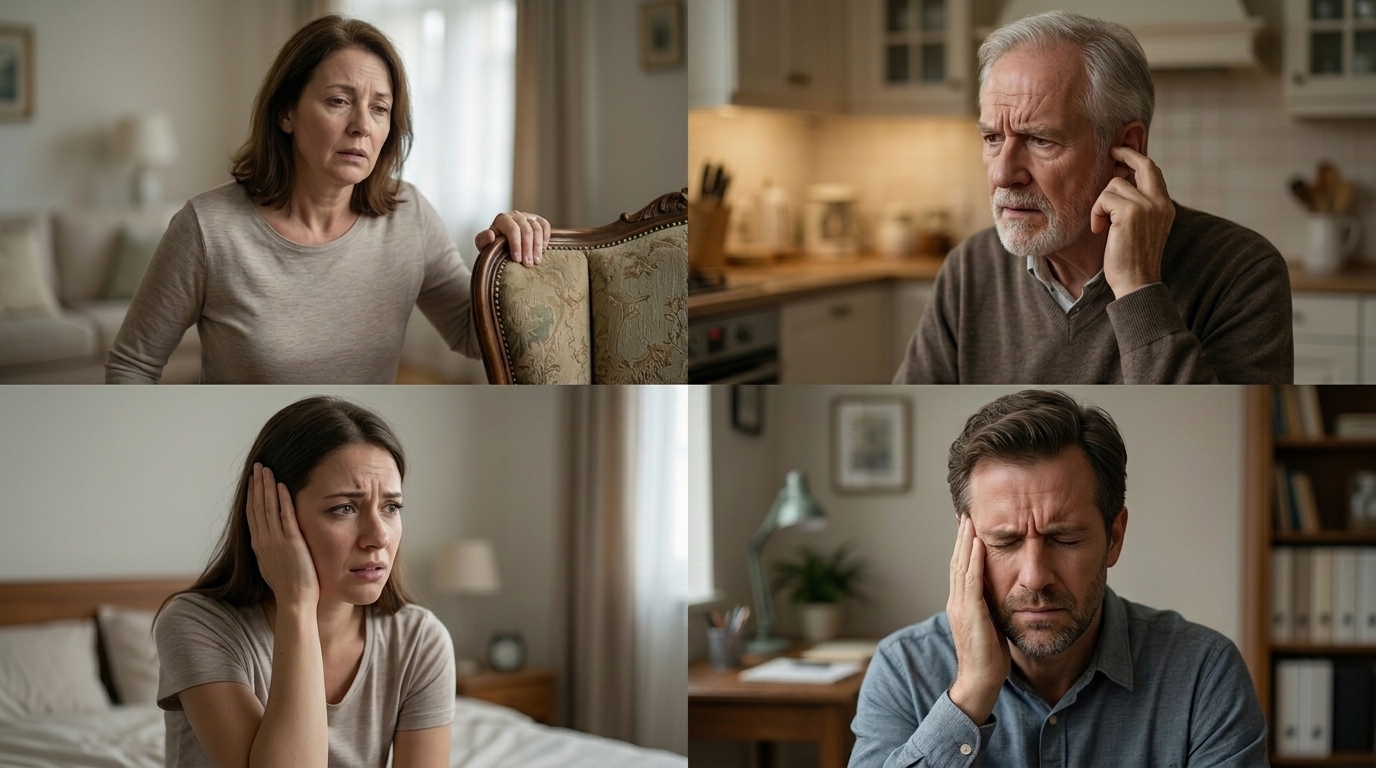
Vertigo episodes may occur without warning and are frequently accompanied by significant nausea and, in some cases, vomiting. Additional symptoms may include:

Fluctuating Hearing Loss: Hearing that decreases and improves intermittently, often affecting lower-frequency sounds.
Tinnitus: Ringing, buzzing, roaring, or hissing sounds in the affected ear.
Ear Fullness: A sensation of pressure, congestion, or blockage within the ear, similar to the feeling experienced during air travel or underwater.
Understanding the Underlying Cause
For many patients, the exact cause of dizziness and Ménière’s-like symptoms remains unclear. In our clinical experience, dysfunction of the temporomandibular joints (TMJ) and surrounding structures is frequently overlooked during the diagnostic process.
Many patients presenting chronic dizziness, ear pressure, and related symptoms exhibit significant jaw joint dysfunction. Damage or instability within the TMJ complex may contribute to increased stress on nearby structures, including those associated with the ear and surrounding head and neck regions.
Diagnostic Evaluation
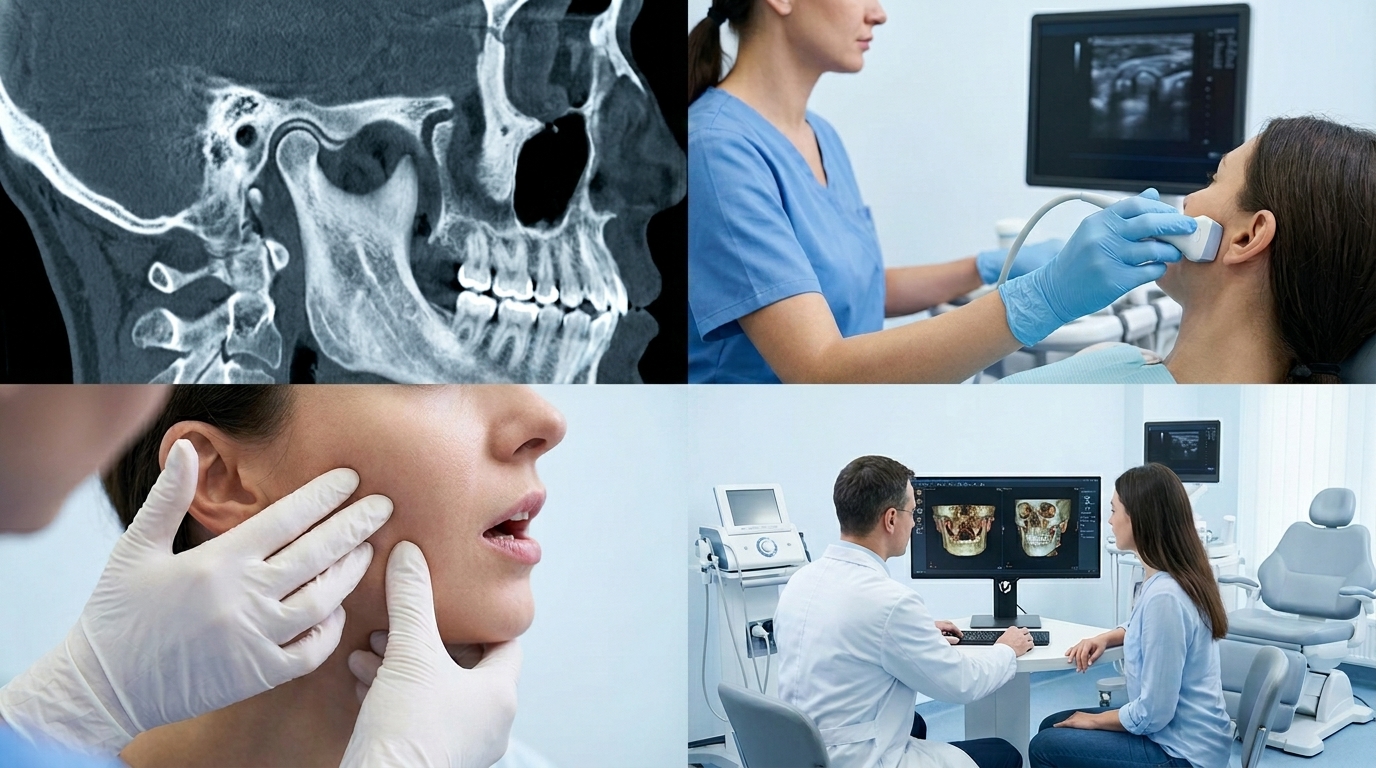
A comprehensive evaluation is essential to determine the presence and extent of TMJ-related dysfunction. Diagnostic testing may include:
TMJ CT imaging
Sonography (ultrasound) studies
Comprehensive examination of the jaw joints, muscles, and surrounding structures
These assessments help identify structural abnormalities and guide appropriate treatment planning.
Common Symptom Management Strategies
Patients are often advised to:
Sit or lie down immediately during an episode to reduce the risk of falls.
Focus on a stationary object rather than moving their eyes around the room.
Avoid sudden movements, bright lights, reading, or other activities that may intensify symptoms.
Follow a low-sodium diet and limit caffeine and alcohol consumption.
Utilize prescribed medications when appropriate.
While these measures may help manage symptoms, they often do not address underlying structural factors that may be contributing to the condition. As a result, many individuals continue to experience recurrent or worsening episodes that can significantly impact daily activities, including walking, driving, working, and maintaining an active lifestyle.
Who Is Most Commonly Affected?
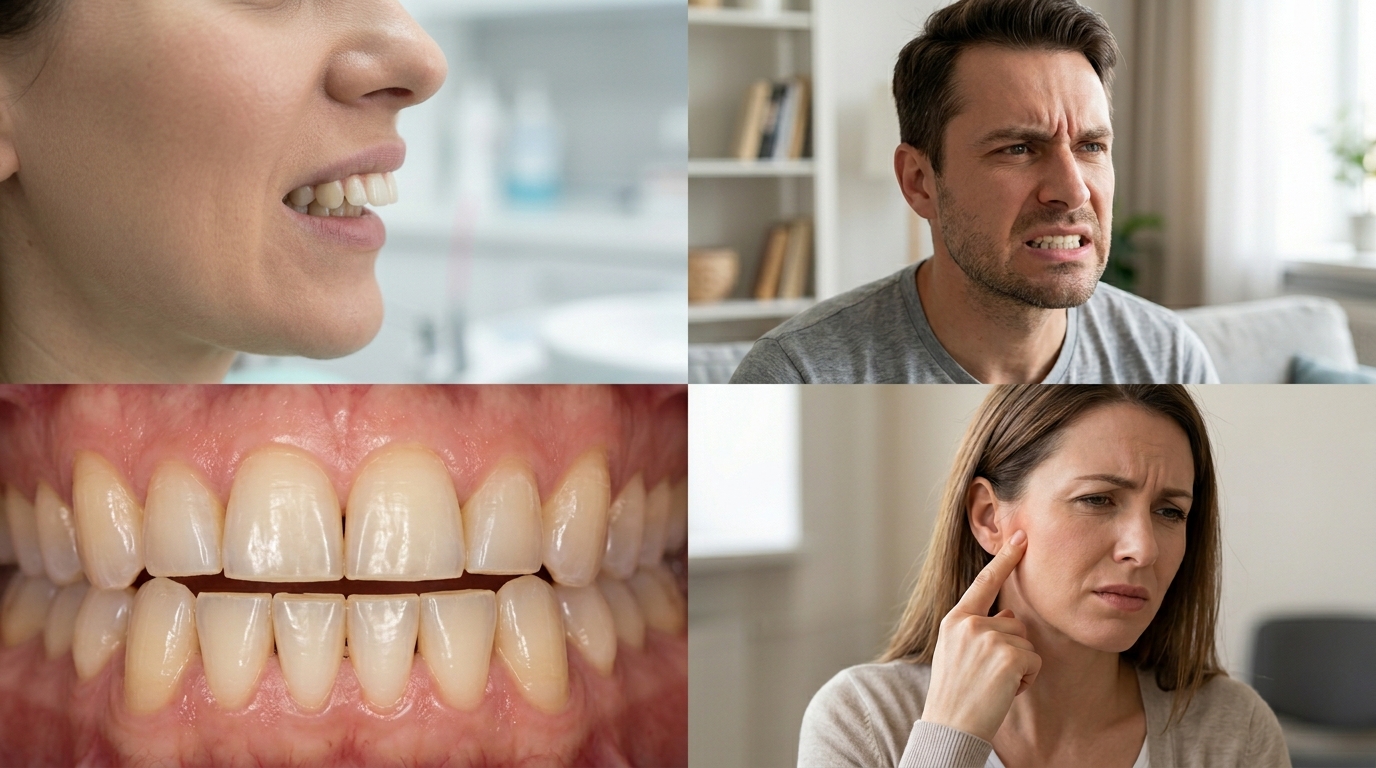
This condition is frequently observed in adults who exhibit:
Significant overbites
Chronic clenching or grinding habits
Excessive tooth wear
Long-standing TMJ dysfunction
Because damage to the jaw joints often develops gradually over many years, symptoms may not become apparent until adulthood. As TMJ deterioration progresses, increased pressure and dysfunction in adjacent structures may contribute to ear-related symptoms.
Treatment and Outcomes
Our treatment approach focuses on identifying and addressing the underlying TMJ dysfunction contributing to dizziness, ear pressure, and balance-related symptoms. With appropriate diagnosis and treatment, many patients experience significant symptom improvement and can return to normal daily activities within several months.
Hollie


David
Jennifer
Joanne
Kaye
Stop Letting Pain Hold You Back
Start your personalized treatment today and take the first step toward lasting relief.
Your Health Is Our Priority
Relieve TMJ and other head pain symptoms with custom treatments tailored to your specific problem.
 Request a Consultation
 Contact Us