


Trigeminal neuralgia is a chronic neuropathic pain disorder characterized by sudden, severe facial pain that is often described as electric shock-like, stabbing, or shooting in nature. The condition affects the trigeminal nerve, which is responsible for sensation in the face. Even routine activities or light facial contact can trigger intense pain episodes that significantly impact quality of life.
Common Symptoms
Patients with trigeminal neuralgia may experience:
Severe Facial Pain
Pain is often described as sharp, stabbing, burning, or similar to an electric shock. Episodes can occur suddenly and without warning.
Location of Pain
Symptoms most commonly affect one side of the face, particularly the lower jaw, cheek, or chin. However, pain may also involve the teeth, gums, nose, lips, or areas around the eyes.
Triggered Episodes
Even minimal stimulation can provoke an attack, including:

Brushing teeth
Chewing
Speaking
Shaving or applying makeup
Washing the face
Exposure to wind or a light breeze
Touching specific trigger points on the face
Variable Pain Patterns
Pain may occur in brief but intense bursts lasting seconds to minutes. Some individuals experience periods of remission that can last weeks, months, or even years before symptoms return.


Causes
Classical Trigeminal Neuralgia
The most common cause is compression of the trigeminal nerve by a nearby blood vessel, usually an artery or vein. Over time, this compression may damage the nerve's protective myelin sheath, resulting in abnormal pain signals.
Secondary Trigeminal Neuralgia
In some cases, symptoms develop as a result of another underlying condition, including:
Multiple sclerosis (MS)
Brain tumors
Structural abnormalities affecting the trigeminal nerve
Other neurological disorders
Idiopathic Trigeminal Neuralgia
Occasionally, no definitive cause can be identified despite comprehensive evaluation. In some patients, disorders affecting the temporomandibular joints (TMJ), surrounding muscles, and associated craniofacial structures may contribute to facial pain patterns that mimic or aggravate trigeminal neuralgia symptoms.
Diagnostic Evaluation
Accurate diagnosis is essential because several conditions can produce symptoms similar to trigeminal neuralgia.
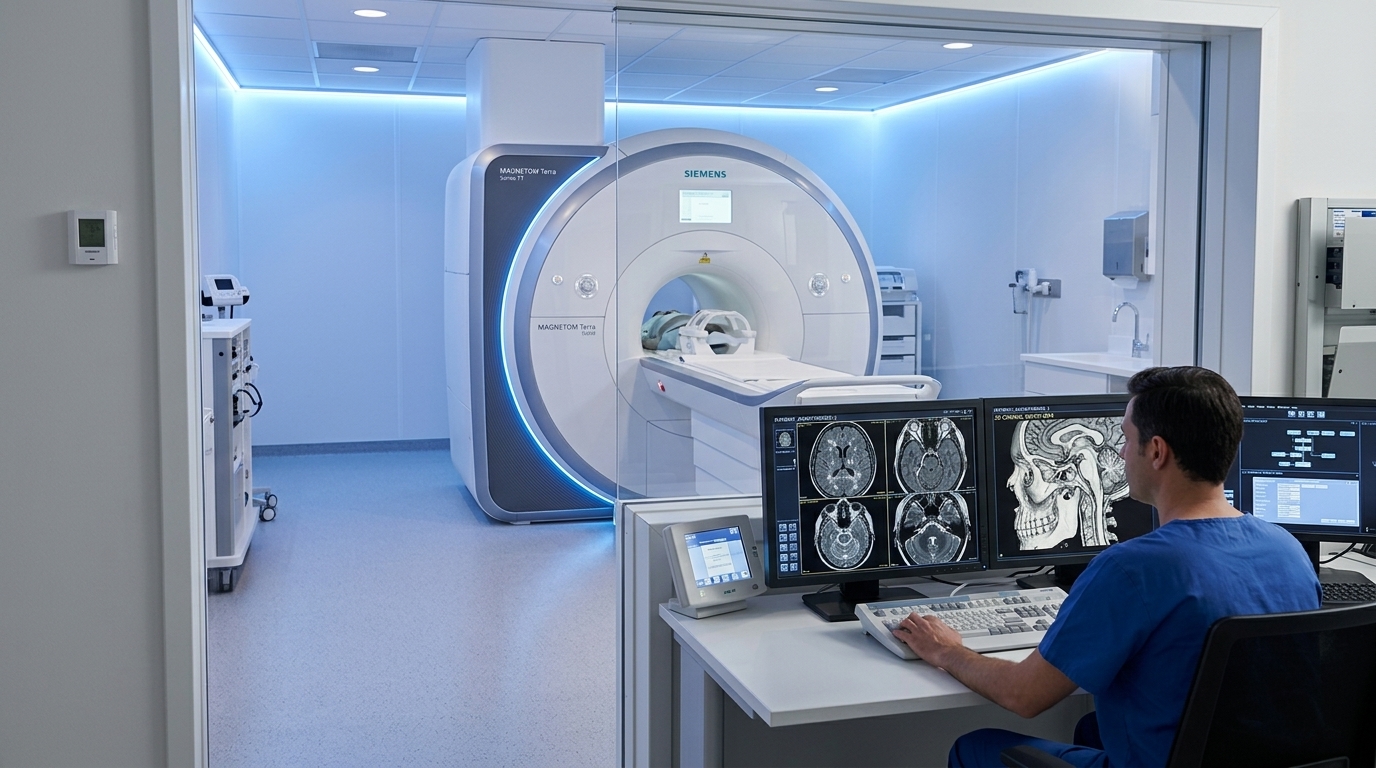
Magnetic Resonance Imaging (MRI)
MRI is considered the primary imaging study for evaluating trigeminal neuralgia. It can help:
Identify blood vessel compression of the trigeminal nerve
Detect multiple sclerosis lesions
Rule out tumors or other neurological abnormalities
Evaluate the anatomy of the trigeminal nerve and surrounding structures
TMJ and Craniofacial Evaluation
When MRI findings do not fully explain a patient's symptoms, or when significant jaw dysfunction is present, further evaluation of the temporomandibular joints may be beneficial. Advanced imaging such as TMJ CT scanning can help identify structural abnormalities, joint degeneration, and other factors that may contribute to facial pain.

Treatment Options
Because trigeminal neuralgia is a complex neurological condition, management often involves collaboration with a neurologist, neurosurgeon, or other specialists.
Medications
Traditional pain relievers such as ibuprofen or acetaminophen are generally ineffective for trigeminal neuralgia. Treatment commonly includes medications that stabilize nerve activity, such as:
Carbamazepine
Oxcarbazepine
Other anticonvulsant medications
Surgical and Procedural Treatments
For patients who do not respond adequately to medication, additional treatment options may : include
Microvascular Decompression (MVD)
A surgical procedure that relieves pressure on the trigeminal nerve by repositioning the blood vessel responsible for compression.
Rhizotomy
A procedure designed to selectively interrupt pain signals by targeting specific portions of the trigeminal nerve.
Stereotactic Radiosurgery
Highly focused radiation therapy, such as Gamma Knife® radiosurgery, can be used to disrupt pain transmission within the nerve without traditional surgery.
The Importance of Comprehensive Evaluation
Before proceeding with invasive treatment options, it is important to conduct a thorough diagnostic evaluation. Conditions involving the temporomandibular joints, chronic clenching or grinding of the teeth, muscular dysfunction, and other craniofacial disorders can produce symptoms that resemble trigeminal neuralgia or may worsen existing nerve-related pain.
In our clinical experience, many patients presenting with facial pain also demonstrate significant TMJ dysfunction or jaw joint degeneration. Identifying and addressing these contributing factors can be an important component of a comprehensive treatment plan and may help improve patient outcomes.
Trigeminal Neuralgia Explained: What’s Really Causing Your Facial Pain?
Hollie


David
Jennifer
Joanne
Kaye
Stop Letting Pain Hold You Back
Start your personalized treatment today and take the first step toward lasting relief.
Your Health Is Our Priority
Relieve TMJ and other head pain symptoms with custom treatments tailored to your specific problem.
 Request a Consultation
 Contact Us