


Temporomandibular Joint (TMJ) disorders are a common cause of ear pain and ear-related symptoms. Because the TMJ is located immediately in front of the ear canal and shares close anatomical and neurologic relationships with surrounding ear structures, dysfunction of the jaw joint can produce symptoms that closely resemble those of an ear disorder.
Patients with TMJ disorders may experience:

Ear pain or aching
A sensation of fullness or pressure in the ear
Ringing in the ears (tinnitus)
Mild dizziness or imbalance
Ear congestion without evidence of infection
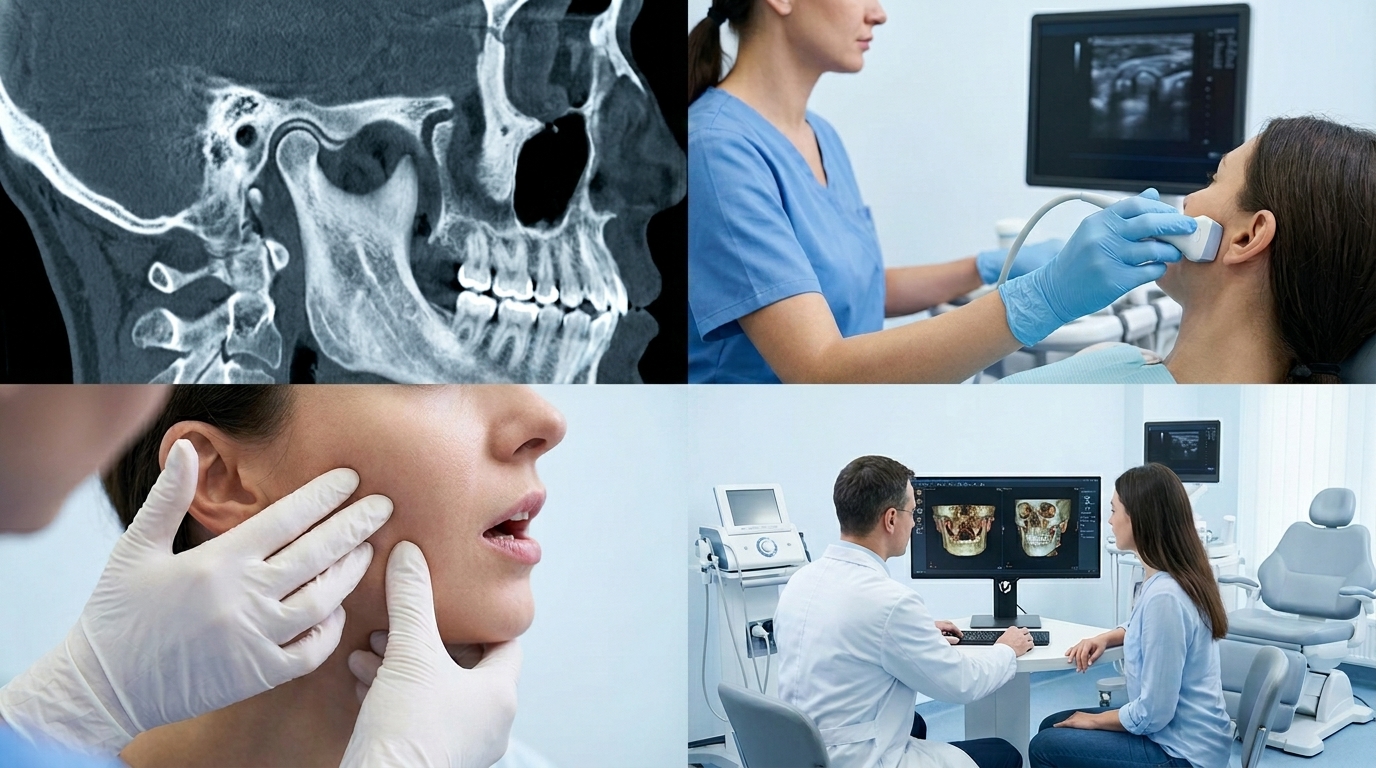
Ringing In Your Ears? It May Not Be Just An Ear Problem
Why TMJ Disorders Can Affect the Ear
The TMJ is located directly adjacent to the ear, and inflammation or muscle strain associated with TMJ dysfunction can radiate into the surrounding tissues and be perceived as ear pain.
In addition, the TMJ shares anatomical relationships with nearby structures, including the petrotympanic fissure and discomalleolar ligament, which may contribute to the transmission of symptoms between the jaw and ear regions.
The nerves that supply the jaw joint are closely associated with those that serve portions of the ear and surrounding tissues. Irritation of these nerves, particularly branches of the trigeminal nerve, may result in referred pain, where discomfort originating in the jaw is perceived as coming from the ear.
Muscles involved in jaw function also interact with structures associated with hearing and middle ear function. Excessive muscle tension, clenching, grinding, or jaw strain may contribute to sensations of pressure, fullness, congestion, or aching within or around the ear.

Common Associated Symptoms
TMJ-related ear symptoms are often accompanied by one or more of the following:
Jaw clicking, popping, or locking
Jaw pain or stiffness
Pain that worsens with chewing, talking, or yawning
Headaches
Neck and shoulder pain
Facial muscle tenderness
Tinnitus or mild dizziness
When to Seek Evaluation
Because TMJ-related ear pain can closely mimic the symptoms of an ear infection or other ear disorders, an evaluation by an Ear, Nose, and Throat (ENT) specialist may be appropriate to rule out primary ear pathology.
If no significant ear-related abnormalities are identified and symptoms persist, an evaluation of the temporomandibular joint and associated muscles may help determine whether TMJ dysfunction is contributing to your symptoms.
Hollie


David
Jennifer
Joanne
Kaye
Stop Letting Pain Hold You Back
Start your personalized treatment today and take the first step toward lasting relief.
Your Health Is Our Priority
Relieve TMJ and other head pain symptoms with custom treatments tailored to your specific problem.
 Request a Consultation
 Contact Us