


Jaw Dysfunction Affects Muscles, Nerves, and TMJ
Most TMJ and head pain symptoms begin with stress and tension in the surrounding muscles, which can eventually contribute to chronic damage in the jaw joints. This occurs because of the complex relationship between the jaws, bite, neck, and overall function. When it comes to achieving lasting relief and successful treatment, it’s essential to fully understand your diagnosis—including the neuromuscular components and how all related structures work together.
Some common neurologic and muscular symptoms experienced by patients who have underlying TMJ problems include:
Anesthetic Failure
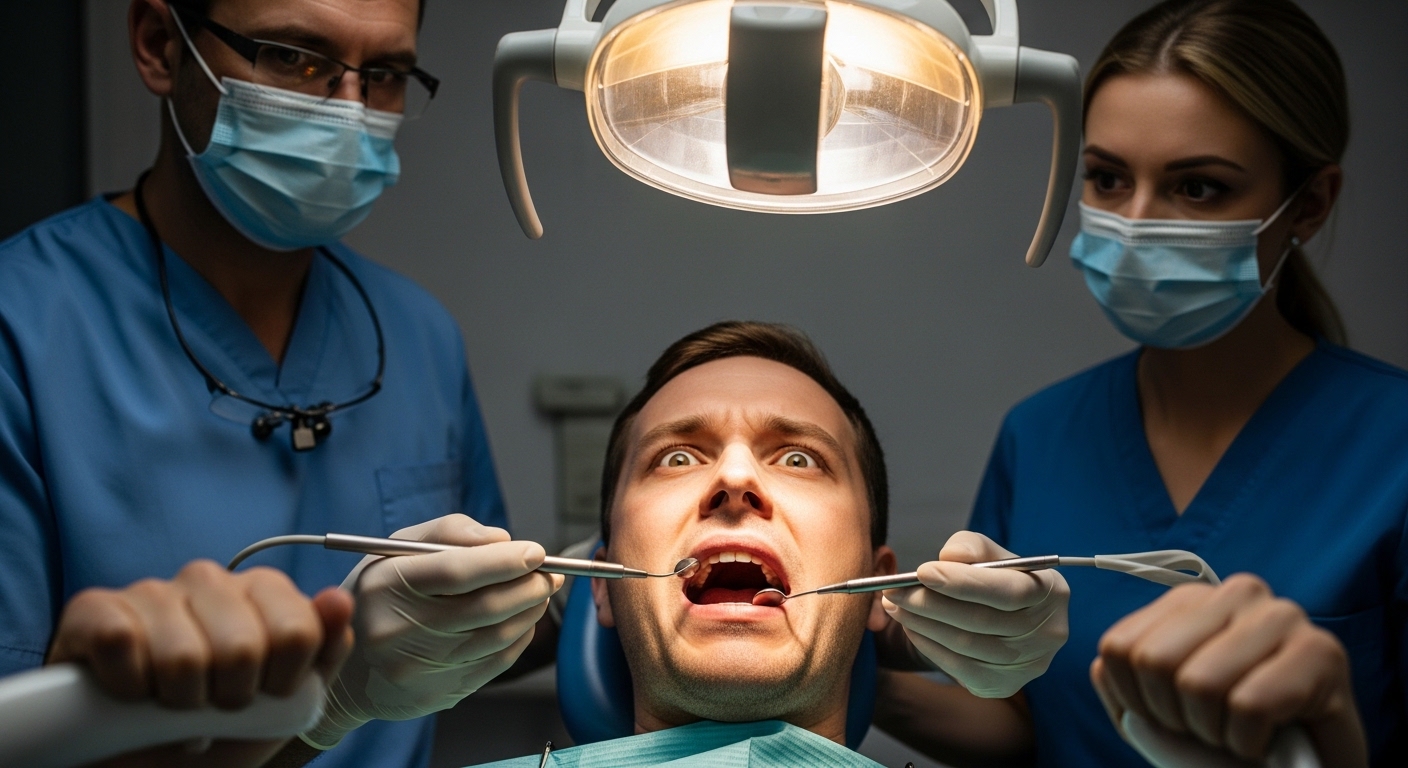
The Trigeminal nerve is often in a state of irritation or dysfunction in many TMJ and head pain patients. This nerve is responsible for transmitting sensation from the teeth, gums, tongue, lips, face, jaws, ears, nose, and eyes to the brain. Because it travels through and around the jaw joint, it can be directly affected by problems in this area. When the joint is compressed or damaged—such as in Temporomandibular Joint Disorder—the nerve can become overstimulated and difficult to calm. This helps explain why some patients experience difficulty getting numb at the dentist, even after multiple injections. In many cases, individuals are unaware of an underlying TMJ issue because they may not feel pain directly in the joint itself, even though the nerve is being affected.
Review our Self Diagnosis Checklist to determine if you may have such an issue.
One challenge some dentists encounter involves patients with jaw compression or underlying temporomandibular issues. In these cases, achieving effective numbness—particularly for lower teeth—can sometimes be more difficult than expected, and a subset of patients may also report a higher rate of post-treatment discomfort or complications. When dysfunction is present in the jaw system, surrounding muscles, fascia, and joint structures may be under increased tension or altered function. This can potentially influence how local anesthesia is perceived or how effectively it takes hold in certain individuals.
There are situations where muscle tension and tissue sensitivity can make dental anesthesia more challenging. For example, in patients with significant jaw muscle tightness or dysfunction, the tissues around the injection site may be more resistant or sensitive, which can make needle placement more uncomfortable and sometimes affect how predictably anesthesia takes effect. In complex cases involving jaw mechanics, inflammation, or chronic muscle guarding, multiple factors can influence treatment experience—including anatomy, nerve sensitivity, and local tissue conditions. This is one reason why some patients require adjusted techniques or additional time to achieve adequate anesthesia.

Phantom Toothache
Many patients experience 'phantom’ toothache. Normally, nothing is found on the x-rays and examination, yet the patient insists that a tooth must be pulled or root canaled.
Excessive bite force and jaw clenching can absolutely place significant stress on teeth and the structures that support them. Each tooth is anchored in the jaw by the periodontal ligament system, which acts as a shock-absorbing interface between the tooth root and surrounding bone. When there is prolonged or excessive force—such as with clenching or grinding associated with Temporomandibular Joint Disorder—these supporting structures can become inflamed or irritated. This may lead to symptoms such as tooth sensitivity, a feeling of pressure, or a generalized aching sensation even when the tooth itself is structurally healthy. It is also true that standard dental X-rays may appear normal in these cases, since early-stage ligament strain or bite-related trauma does not always produce visible changes in hard tissue. That’s why clinical evaluation of bite forces, muscle activity, and symptom patterns is often an important part of identifying the source of discomfort. At the same time, temperature sensitivity and tooth pain can also arise from other dental causes (such as enamel wear, cracks, or pulp irritation), so a careful differential diagnosis is essential to determine whether the primary driver is occlusal/muscular stress or an intrinsic tooth issue.
Push on any of your teeth with one of your fingers for about 20 minutes. Let go, and you’ll see how that tooth begins to ache. This is exactly what happens when intense clenching occurs.
The trigeminal nerve can also cause the 'appearance' of a toothache simply by carrying wrong messages to the brain. Many times, it is the muscle tension sensation or joint damage that is mistaken for a toothache. This nerve carries the same nerve impulses from teeth and other structures and sometimes it cannot differentiate between a muscle or joint or tooth problem.
Neck Pain
Some patients experience headaches that seem to originate in the back of the neck. One common contributing factor can be cervical (neck) dysfunction, which may sometimes follow injuries such as whiplash. In other cases, jaw dysfunction and Temporomandibular Joint Disorder may contribute to increased muscle activity in the head and neck region. The jaw is highly active throughout the day, involved in speaking, chewing, and swallowing. In patients who clench or grind their teeth, muscle activity can become significantly elevated, which may contribute to fatigue and tension in both the jaw and surrounding neck muscles. Certain bite patterns—such as overbites or worn teeth—may further influence how these muscles function together. Sleep posture can also play a role in some individuals. For example, when lying on the back, the position of the jaw and airway may influence head and neck muscle activity in certain cases, potentially adding to overall strain. Because these systems are interconnected, evaluating both the jaw and cervical structures together is often important when assessing chronic head and neck pain patterns.

Excessive or abnormal activity in the jaw muscles can place added strain on the surrounding muscle systems, including those in the neck. Because the jaw, head, and cervical muscles work together as part of an interconnected system, this increased muscular demand may contribute to tension patterns that some patients perceive as pain at the back of the neck or radiating into the base of the skull. In conditions such as Temporomandibular Joint Disorder, this kind of muscle overactivity can be one of several factors involved in head and neck discomfort, alongside posture, stress, and other structural or functional influences.

Sensitive or Ringing Ears
How come our ears feel so weird? Put your little finger in your ear while opening and closing your mouth. Now, move your jaw from side to side. You can feel a lot of action in there! The over-activity of your jaw makes your ear canal sensitive.
Excess wax can be produced, as the body tries to protect itself. The ear has two important muscles: the tensor tympani (it attaches to the ear drum, and stabilizes it from the excess vibration caused by loud sounds) and the tensor levi palatini (it attaches to the Eustachian tube, and helps to open and close the tube, thereby equalizing pressure within the inner ear…it is what 'unplugs' your ears as you chew gum in an airplane).
Muscle activity in the jaw and head can sometimes be associated with ear-related symptoms, including a sensation of ringing or fullness in the ears. This is one reason some patients with Temporomandibular Joint Disorder report symptoms such as tinnitus, ear pressure, or even dizziness. There is an anatomical relationship between the jaw system and muscles of the middle ear, including the tensor tympani muscle and the tensor veli palatini muscle. These muscles can show increased activity in some individuals with jaw clenching or heightened jaw muscle tension. While this connection may help explain why jaw dysfunction and ear symptoms can occur together, it’s important to note that tinnitus and vertigo are complex and can have many different causes. Jaw-related muscle activity is only one of several possible contributing factors and should be evaluated alongside other otologic, neurologic, and medical considerations.
The Sinus Headache
Jaw muscle dysfunction noted in the lateral pterygoid muscle can sometimes produce referred pain in areas that feel like sinus pressure (cheeks, under the eyes, forehead). This happens because of shared nerve pathways of the trigeminal nerve.

Jaw-related conditions such as Temporomandibular Joint Disorder can mimic sinus discomfort because of overlapping sensory pathways. This makes it difficult for patients to distinguish between sinus-origin pain and referred pain from jaw or muscle dysfunction. When pain relievers and decongestants stop working, jaw dysfunction must be addressed.
Ocular Migraine Pain
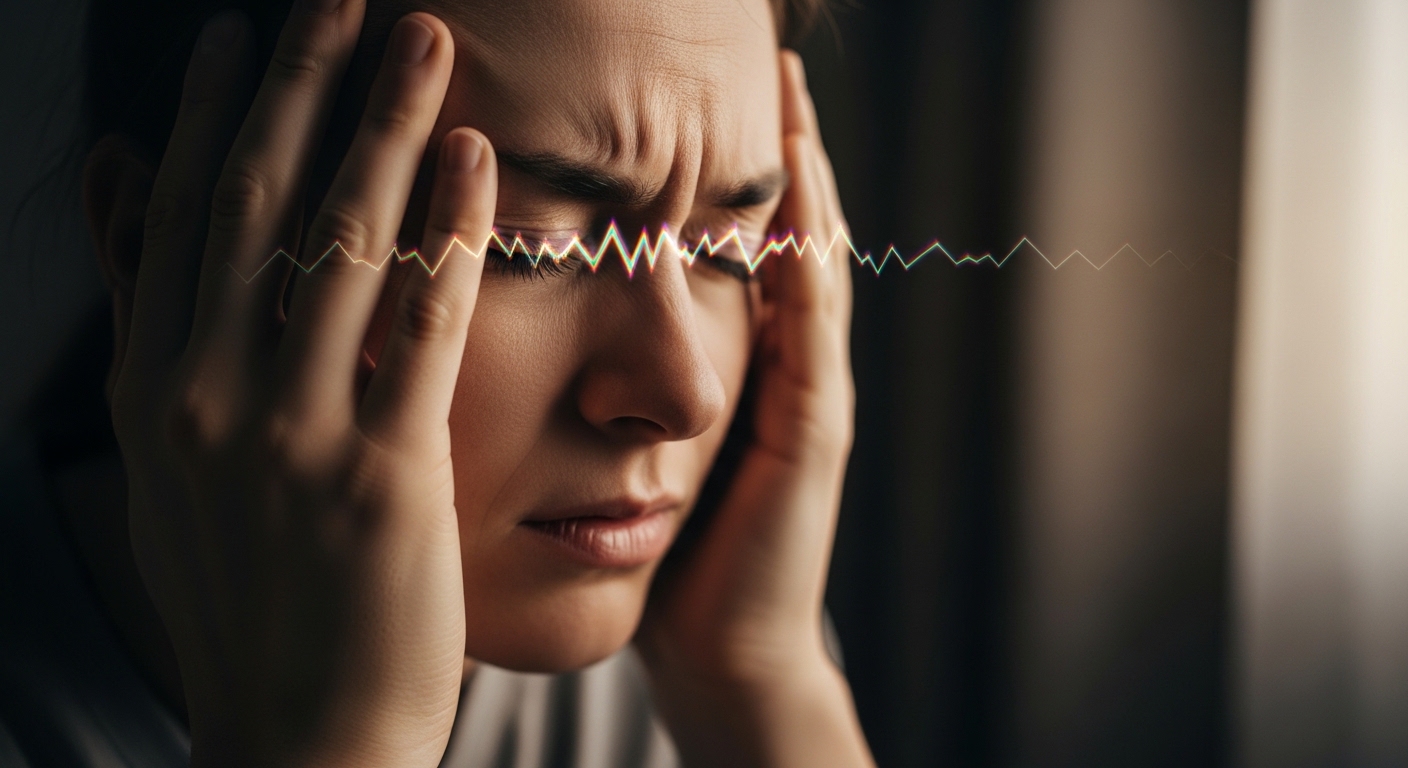
There is a little muscle called the Sphenomandibularis, which attaches just behind the eye, and is responsible for the 'ocular' migraine. It’s all part of the same overactive jaw muscle complex. It is also innervated by the trigeminal nerve. Now you know why your new glasses and five visits to the ophthalmologist did not accomplish very much.
Accidents and Trauma
Physical trauma to the neck can cause headaches. It is crucial to receive the proper medical evaluation from a team of physicians who can ascertain possible disk or vertebral abnormalities. If no fractures or disk problems are found, then a diagnosis of muscular tension can be concluded.
The cervical sympathetic ganglia (a group of neurons from the sympathetic nervous system within the neck) has been shown to cause and maintain jaw and neck muscle contraction. Again, the muscles try to protect the underlying body parts. If the dysfunction is not treated properly, the pain and headaches may continue indefinitely. If there is underlying disk or vertebral damage, treatment must still be aimed at muscular relaxation in order to promote adequate and proper healing.

Traumatic Brain Injuries can also increase clenching and eventually lead to TMJ damage and worsening pain symptoms. Proper treatment must be implemented before the damage ensues.
TMJ and Your Blood Pressure
Hollie


David
Jennifer
Joanne
Kaye
Stop Letting Pain Hold You Back
Start your personalized treatment today and take the first step toward lasting relief.
Your Health Is Our Priority
Relieve TMJ symptoms with custom orthotics designed for lasting comfort. If you don’t see meaningful improvement in 6–8 months, we stand behind your care.
 Request a Consultation
 Contact Us